


Media Workers of the World Unite
Co-published by the Economic Hardship Reporting Project and Dissent Magazine. Media cooperatives have flourished in the last decade. But they can’t face the structural crisis of journalism alone.

EHRP’s Alissa Quart On ‘Nickel And Dimed’ For Banned Books Week
Quart joins Heart of The East End's Gianna Volpe on WLIW-FM.
EHRP Is Hiring An Executive Director!
This is a rare opportunity to lead an organization that punches far above its weight — one that has shaped national conversations and that is poised for a new era of stability, visibility, and impact. Apply now.
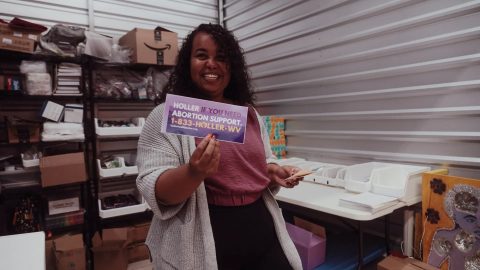
Roe Was Never Enough
Co-published by the Economic Hardship Reporting Project and The Daily Yonder. A short film follows Holler Health Justice, an abortion fund supporting Appalachians, in the aftermath of Roe v. Wade being overturned.

As The Safety Net Shrinks And Political Attacks Worsen, Trans Kentuckians Pay The Price
Co-published by the Economic Hardship Reporting Project's New Narratives Fund and Prism. Trans people account for less than 1% of the state’s residents, but lawmakers continue to target this already vulnerable population

Rideshare Drivers Want a Fair Hearing Before Losing Their Jobs
Co-published by the Economic Hardship Reporting Project and Capital and Main. In Chicago, city data shows fewer than 4% of the more than 30,000 drivers removed from rideshare platforms were reinstated.

EHRP’s Alissa Quart Talks Barbara Ehrenreich on NPR’s “Here and Now”
On the relevance of Nickel and Dimed 25 years since it came out
Saluting a Matriarch—25 Years After ‘Nickel and Dimed’
Co-published with The Nation. Barbara Ehrenreich’s thesis has become even more resonant since the book’s 2001 release.

EHRP Joins City Watch To Talk ‘Nickel and Dimed.’
EHRP's Alissa Quart and Dierdre English discuss Ehrenreich’s “seminal account of working class life” on an episode of the WBAI program.

A Rare Win in Indian Country: How Tribes Drove Out a Mining Company in One Week
Co-published by the Economic Hardship Reporting Project and The Guardian. At the sacred prairie of Pe’ Sla in South Dakota, Indigenous and environmental groups banded together to halt drilling.

‘It Kept Adding Up’: How Add-On Utility Fees Can Lead to Eviction for Tenants
Co-published by the Economic Hardship Reporting Project and The Guardian. Tenants can be evicted for not paying utilities even if they have paid rent – tenants and their allies are fighting back.

There’s No Such Thing As ‘Unskilled Work’: EHRP Talks Barbara Ehrenreich’s ‘Nickel and Dimed’ 25 years later
25 years ago, Barbara Ehrenreich saw the inhumane brutality of capitalism and the invisible realities of working-class life that so many Americans ignored then but can’t ignore now.