


OK, Zoomer: You’re the First Human Surplus Generation
Co-published by the Economic Hardship Reporting Project and The New Republic. AI hasn’t made Gen Zers obsolete—yet. But they’re being asked to prove themselves in an economy moving toward a future that seems, well, just not that into them.

EHRP’s Alissa Quart In The New York Times: What America Is Living Without
For NYT, EHRP's Editorial Director catalogues what middle class Americans are giving up as they navigate increased economic insecurity.

The Accidental Activists of Data Center Alley
Co-published by the Economic Hardship Reporting Project and The Nation. These would-be rebels in Northern Virginia joined the fight against data centers mostly to stop the encroachment on their homes and exclusive private communities.

It’s the most heartbreaking thing’: the active-duty soldiers who have to visit Texas food banks
Co-published by the Economic Hardship Reporting Project and The Guardian. This article was produced in collaboration with the Food & Environment Reporting Network. Nearly half of enlisted families struggled to afford enough food last year. Congress has known

They Budgeted for Rent, Not All the Extra Fees
Co-published by the Economic Hardship Reporting Project and the New York Times. Tracie McMillan talks to renters about these surprise fees and reports on the regulations that could reign them in.

Florida May Be Too Red for Most Democrats. But the Salazar Race Offers an Opening.
Co-published by the Economic Hardship Reporting Project and Capital and Main. In this heavily Latino district, where cost of living and immigration are key issues, GOP Rep. Maria Elvira Salazar seeks to distance herself from Trump.

Latino Voters Disapprove of Trump’s Presidency: Will That Decide the Midterms?
Co-published by the Economic Hardship Reporting Project and Capital and Main. Immigration enforcement and high prices are weighing on Latino voters, but Democrats can’t take this “swingy” electorate for granted.
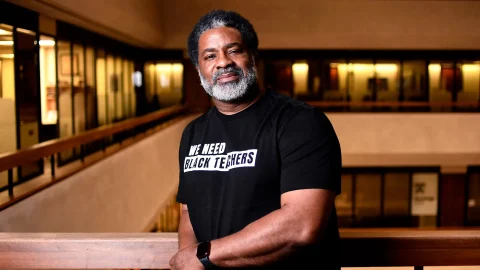
This Philadelphia Educator Is Rebuilding the Black Teacher Pipeline
Co-published by the Economic Hardship Reporting Project and Hammer & Hope. Sharif El-Mekki’s credo: “The purest form of activism is teaching Black children superbly well.”

Media Workers of the World Unite
Co-published by the Economic Hardship Reporting Project and Dissent Magazine. Media cooperatives have flourished in the last decade. But they can’t face the structural crisis of journalism alone.
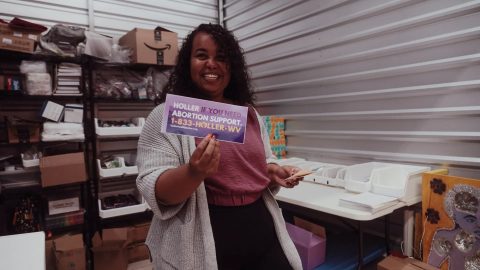
Roe Was Never Enough
Co-published by the Economic Hardship Reporting Project and The Daily Yonder. A short film follows Holler Health Justice, an abortion fund supporting Appalachians, in the aftermath of Roe v. Wade being overturned.

As The Safety Net Shrinks And Political Attacks Worsen, Trans Kentuckians Pay The Price
Co-published by the Economic Hardship Reporting Project's New Narratives Fund and Prism. Trans people account for less than 1% of the state’s residents, but lawmakers continue to target this already vulnerable population

There’s No Such Thing As ‘Unskilled Work’: EHRP Talks Barbara Ehrenreich’s ‘Nickel and Dimed’ 25 years later
25 years ago, Barbara Ehrenreich saw the inhumane brutality of capitalism and the invisible realities of working-class life that so many Americans ignored then but can’t ignore now.